
Accredited through The National Organization of Remediators and Mold Inspectors (NORMI), Rixon Restoration can solve your mold issues. Mold Remediation Service

Mold Removal, as well as Mold Remediation
A strategy to remove mold will make all the difference in lessening the impact of the damage on your family’s health.
If you’ve found mold in your home during your annual inspection, contact Rixon Restoration! Our mold experts will examine the quality of your air, understand the reason for how spores grow within the air, and then quickly eliminate the mold from your house.
The quick stoppage of the spread can not only protect the furniture (and maybe even the structural integrity of your building) from further damage and avert the possibility of further harm to your body.
What is the definition of the term “mold? Mold is a commonly-grown fungus that thrives in moist, warm environments and is multiplied by tiny spores. It moves through the air, forming bonds with the structure like flooring, drywall and other building materials within the home. Once it has taken hold, it can cause mold to grow in homes. Molds can overgrow in areas with high humidity, such as bathrooms, basements and crawl spaces.
As per the Centers for Disease Control (CDC), If you notice or smell the presence of mold, it could be a health risk. Hiring an experienced mold detection firm, such as Rixon Restoration, is recommended for cleanup and removal.
What Is The Cause Of The Growth Of Mold?

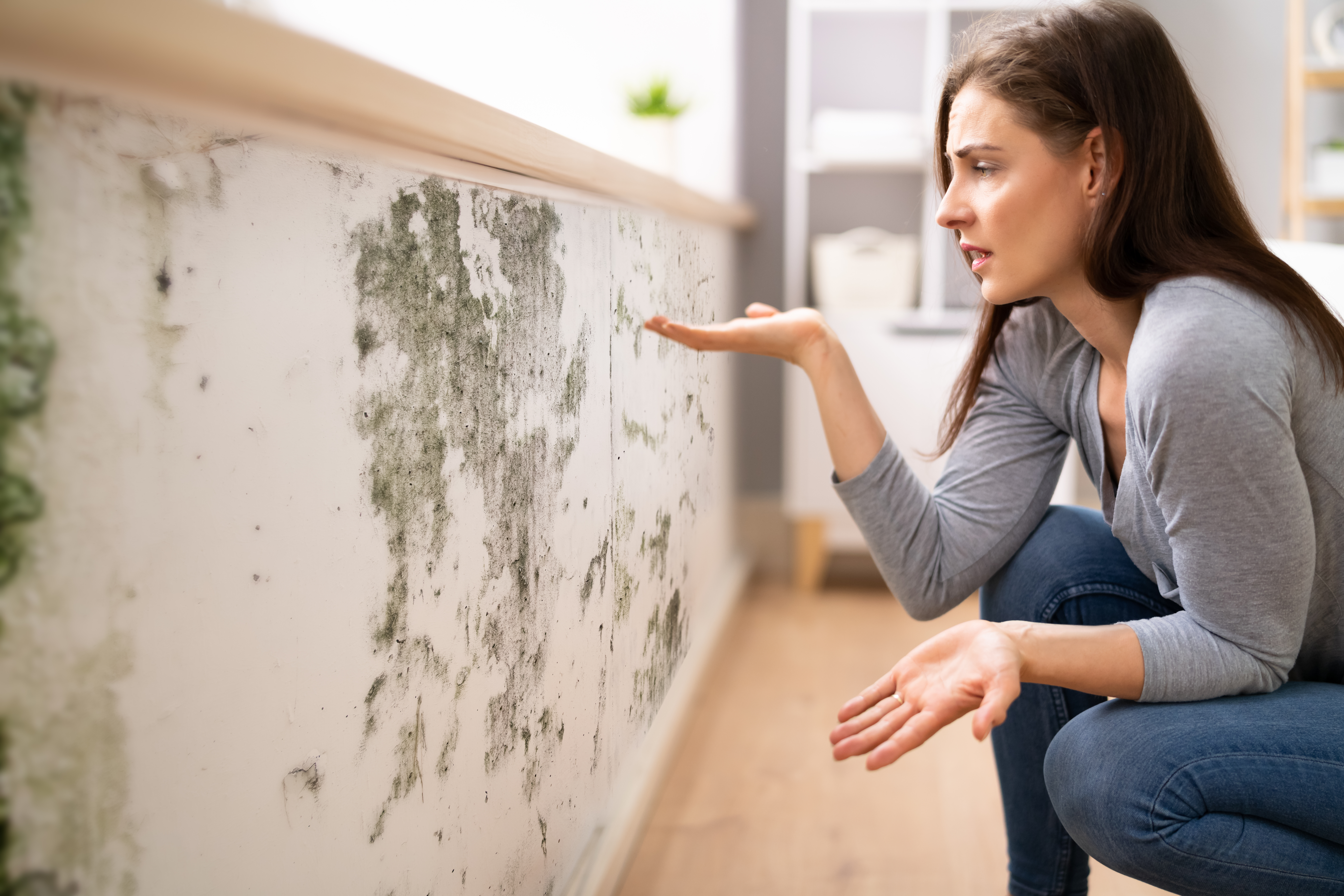
With the tiny mold spores that travel through the air before settling in the right environment, there is a chance for mildew or mold to rapidly multiply, usually going unnoticed but eventually becoming an issue within your home. Mold can be found everywhere where moisture is present for a long duration.
Where Can Mold Develop?
Mold can grow on all porous surfaces when there is humid, stagnant air. Although it is a fan of temperatures over 60 degreesCelsius, it may also thrive in colder temperatures, which is why it is often present in refrigerators (ew!). However, most often, it can be found in the below locations:
· Background and drywall
· Ceiling tiles and ductwork
· Carpet furniture, drapes and carpet
· Attics, basements, and crawlspaces
· Magazines and books (anything made from organic material or paper)
You Can Control Mold In A Home In The Following Way:
· Controlling levels of humidity levels
· Sealing windows, roofs, and pipes
· Drying and thorough cleaning after the flood.
· Ventilating shower kitchen, laundry and cooking areas.
The adverse effects of mold don’t only result in the structural destruction of your house. If you’re looking to sell your home, undiscovered mold could dramatically decrease the price of the house. Real estate agents have stated that there is a possibility that mold could lower the value of your home as high as 10.
Mold Removal Process
The consequences of mold do not only result in the structural destruction of your house. If you’re looking to sell your home property, undiscovered mold can drastically reduce the price of the house. Specific real estate agents believe there is a possibility that mold may lower the value of your home by up to 10.
Mold removal (also referred to as the process of remediating mold) can be described as the method of eliminating mold by eliminating the mold and treating surfaces and other materials affected by mildew or mold. The methods employed to remove mold may differ based on the kind of mold present in the home and the mold’s impact on the material’s surface.
To ensure you’re completely getting rid of mold in your home, custom mold inspection and cleaning procedures will be conducted to remove and treat the contaminated areas. Mold test options are air-cell tests and swabs to determine the kinds and levels of mold in the environment. After the source and the types of mold are determined, the mold removal strategy is developed and implemented, including the confinement of the area of work to restrict mold growth within the home or in the vicinity.
Rixon Restoration utilizes a three-step procedure to remove mold:
· Staging
· Source Removal
· Exit Protocol
Rixon Restoration is a specialist in the removal of mold. Their mold experts utilize the HEPA (High-Efficiency Particulate Air) vacuums to complete the elimination of mold after affected areas have been thoroughly dried and contaminated material has been cleaned. HEPA vacuums are equipped with special filters that can capture small mold particles that generally go through a standard vacuum filter. HEPA vacuums are also utilized to remove dust that has been deposited on surfaces that are not in the mold remediation zone.
Why Do You Need A Specialist To Remove The Mold?
Mold removal is not a “do it yourself task.” Mold removal requires the use of professional chemicals, equipment and education. Cleaning up mold using household chemicals could cause the spread of mold and cause more expensive issues within your home, mainly when dealing with black mold.
Many chemicals, such as bleach, are ineffective in removing the mold for a long time. Contrary to what people believe that bleach effectively destroys mold on porous surfaces (i.e., wood, drywall, grout, carpet, etc.), it promotes mold growth. The chlorine molecules remain in the air and only kill a small portion of the mold. The bleach’s water (bleach generally consists of water) gets absorbed by the material and promotes mold growth.
Rixon Restoration is accredited for the removal of mold. Our mold specialist will visit you to review a strategy to test and remove mold. Every Rixon Restoration technician is educated in the proper mold removal or mold remediation methods in line with the Institute of Inspection, Cleaning and Restoration Certification (IICRC) S-520. Call Rixon Restoration for professional mold removal.
What Can I Learn Regarding Mold Testing?
An inspection for mold is the initial step in discovering if you’ve got an issue with mold. When you have a mold inspection, Rixon Restoration’s mold experts, who are certified, will examine, sample and analyze the air inside the vicinity of your home to determine the presence of mold. A mold expert will use various methods to detect mold, look for mildew and mold, determine the kinds of mold and provide recommendations for cleaning mold and taking out mildew.
Mold inspection is crucial to the health and safety of a building and its occupants. Because mold remediation may cost much money, a mold inspection conducted by a professional mold inspector is highly advised.
Mold inspections should be carried out by a certified mold expert with formal training and expertise. Mold inspections seek to find evidence of mildew or mold development that could indicate the presence of moisture or water. There may be evidence of growth around vents on the walls, baseboards or walls or even in the HVAC ductwork! Since the cause of mold growth is often concealed, it is recommended to seek out a mold professional who is knowledgeable of the areas to look at and has the tools to evaluate the situation.
A mold professional will examine where it may cause structural problems, for example, basements, attics and crawlspaces.
Mold or mildew can’t be cultivated without water. A mold expert will identify the source of the moisture and recommend ways to remove mold. Suppose the source cannot be identified and removed. In that case, the mold will return and mold remediation is unlikely to have any lasting effect.